
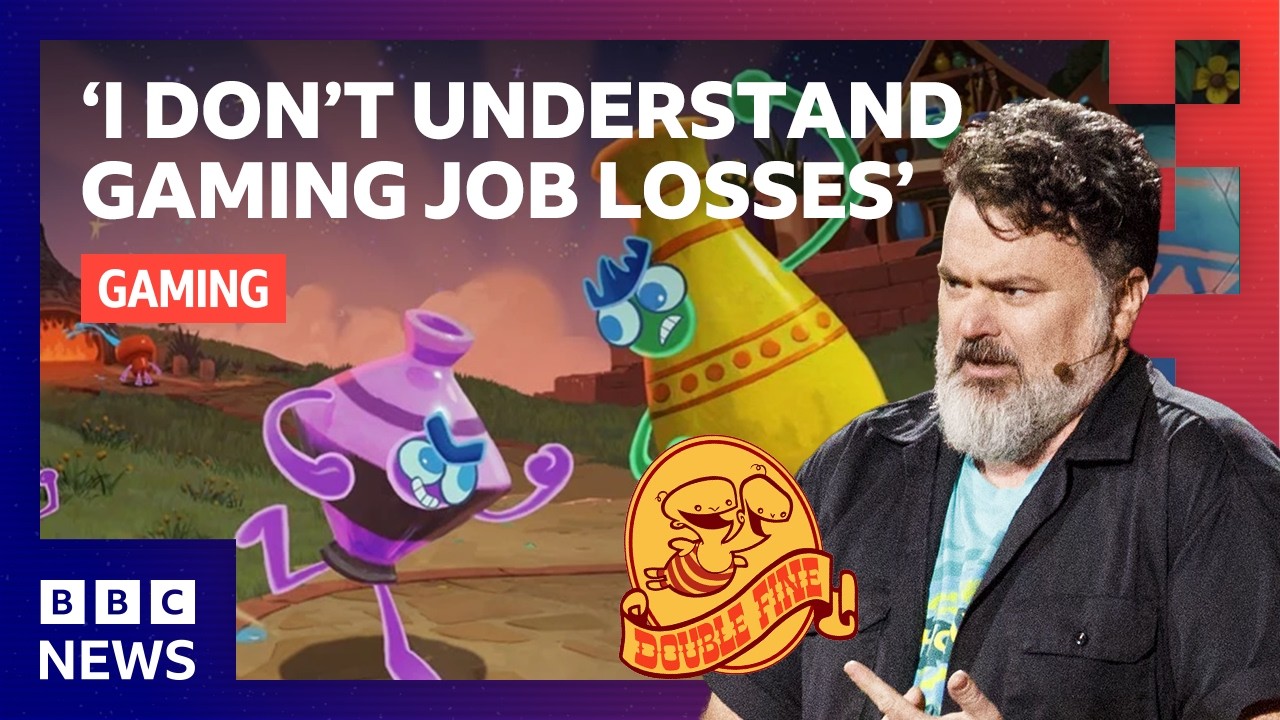
Hero image: Tim Schafer speaking to BBC News. Image: BBC News, via YouTube
I have read a lot of executives explain layoffs, and I have never once come away understanding them, so when Tim Schafer told the BBC that he does not understand them either, I felt something close to relief. I mean, if the man who runs Double Fine cannot make the numbers add up, what chance do you or I have?
Here is what he actually said, as VGC transcribed it: “I don’t understand the economics of making games to be honest.” He used to think he did, because the industry went through cycles, he explained, where studios cut staff, then realised they needed people to make games, and hired them back. That was the pattern he expected, and then he said the bit that stuck with me: “But it’s been down for, like, four years, and I don’t know why. I really don’t, because people are playing games, and people are making money, so I don’t know why there’s a big loss of jobs.”
And then, almost as a shrug: “I just assume it’s, like, someone is being greedy somewhere. But I hope it is a cycle, and I hope it bounces back.”
I want to be fair to him, because it is a gentle way to put it, and gentle is the right register for someone whose own studio has just been through the wringer. Double Fine left Xbox and went independent, and it has laid off staff since, so he is not throwing stones from a safe tower. But you and I do not have to be quite so polite, do we? When people are playing and people are paying and the jobs still vanish, the money has gone somewhere, and it has not gone to the people who made the thing you loved.
What gets me most is his line about AAA work, that it has become a place where “you will get laid off as soon as you finish your game.” Sit with that for a second, because finishing the game is the job. Doing it well is supposed to be the thing that keeps you employed, and instead it has become the thing that ends it. I cannot think of another creative field where success is so reliably punished, and I doubt you can either.
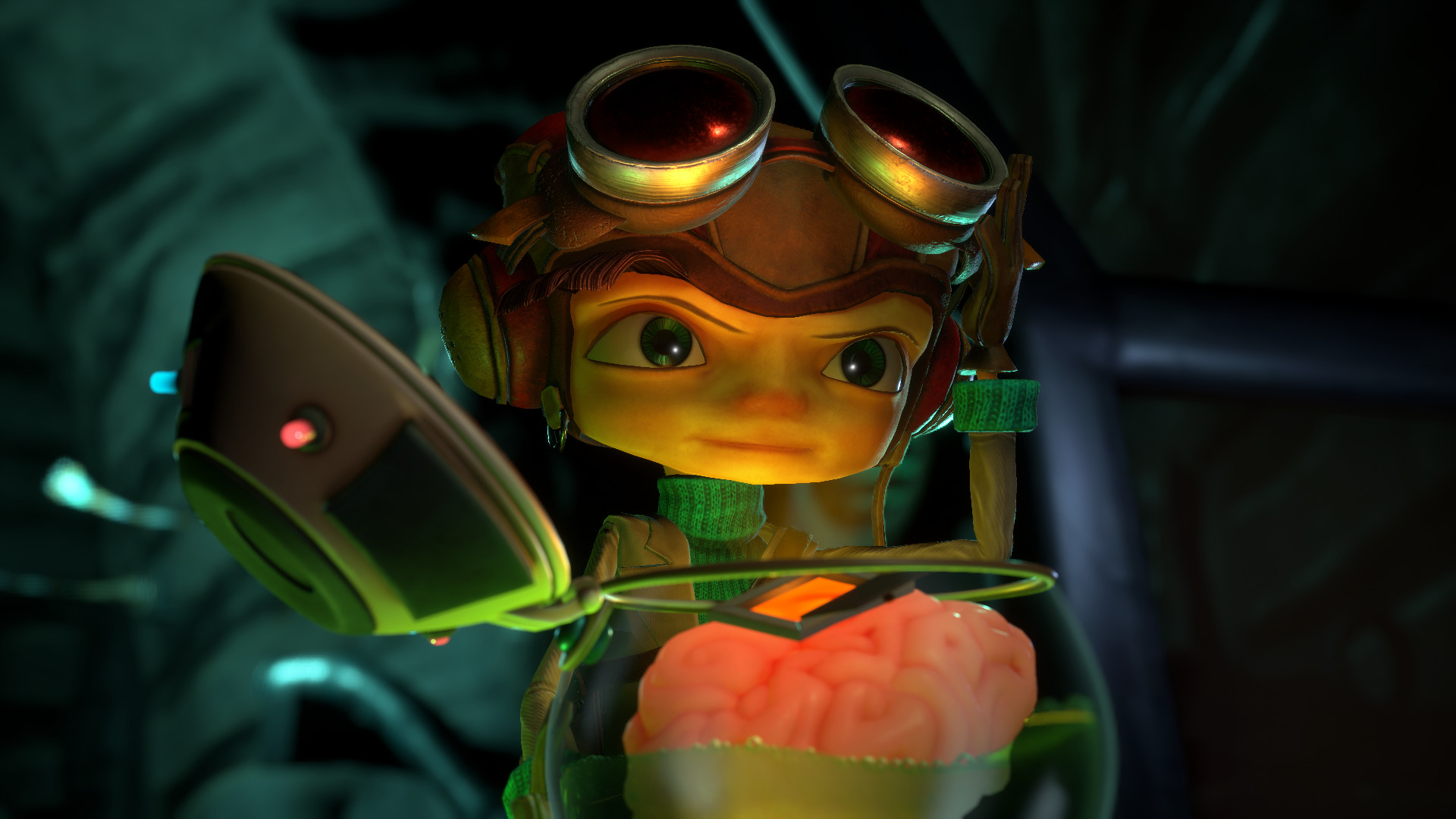
He isn’t cynical about indie work, and I liked that he said so plainly. He called himself not “one of those snobs who says only indie games are creative”, and he was honest that small studios carry their own risk of simply running out of money after launch. Neither path is safe, and that is the whole problem, really. The people who make games came into it, as he put it, because “they just had it in their head that there was no other choice but they had to work in games.” That devotion is exactly what the industry has learned to spend.
So what do we do with that, as players? I do not have a neat answer, and I am not going to pretend my purchases fix a hiring policy in a boardroom I will never see. But I do know I pay more attention now to who made the thing I am playing, and whether they still have a job when the credits roll. Maybe that is small. It is the part I can actually do, and after reading Schafer, I would rather be the kind of player who notices.
Source: BBC News – Tim Schafer interview, VGC – transcription of the BBC interview