
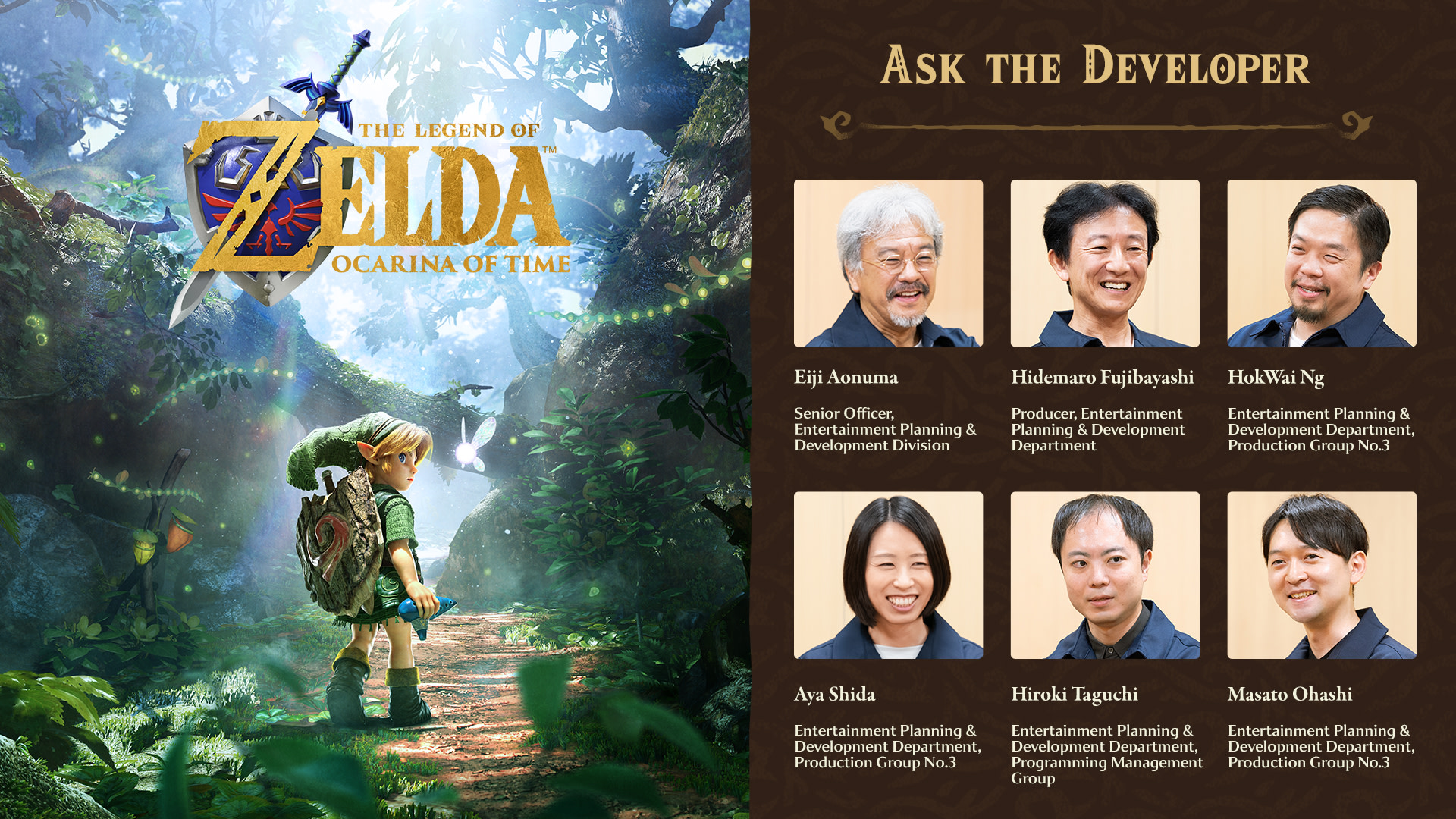
Hero image: The Legend of Zelda: Ocarina of Time, Ask the Developer Vol. 24. Image: Nintendo
Eiji Aonuma asked the team remaking The Legend of Zelda: Ocarina of Time to add warp points to Hyrule. Then he had them all taken out again.
That is one of the stories in Nintendo’s latest Ask the Developer, a two-part interview posted ahead of the Nintendo Switch 2 version’s launch. Part 1 talks to Aonuma and Hidemaro Fujibayashi, who both served as producers. Part 2 brings in director HokWai Ng, art director Aya Shida, program director Hiroki Taguchi and music lead Masato Ohashi.
Nintendo notes the interview was translated from Japanese and conducted before release. Its American post gives the launch as Thursday, 5 November. It does not give an Australian price.
Why remake it now
Aonuma ties the project to the series’ 40th anniversary — and to his own team. Many of its members, he says, have only worked on the recent games, which led him to ask himself: “Do they truly understand just how significant The Legend of Zelda: Ocarina of Time was to the series as a whole?”
Rebuilding it, in his telling, might give them insights to carry into future Zelda games.
He also gave the producers’ brief a light touch. Rather than dictating what had to change, he says he let the developers make the changes they felt were necessary, while Fujibayashi asked them to decide early what would change and what would not.
The warp points
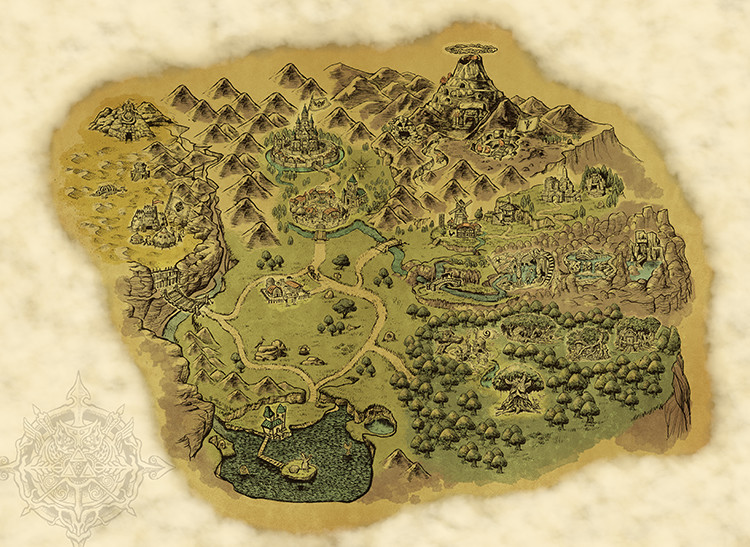
The warp points were Aonuma’s idea. Breath of the Wild has plenty of them, and in the original, he says, players rolled across Hyrule Field to get anywhere in a hurry. Once the team played with them, they realised the shortcuts cost the game its moments of stopping to wonder “Wait, what’s this?”
“So even though I was the one who proposed adding warp points, they just weren’t working for me in the end, so I got the team to take them all back out again.”
The rule the remake did keep came from the newer team members. Ng says they decided to rebuild it with today’s technology, guided by the principle that “the visuals may change, but the experience does not.” Taguchi describes the original as so delicately balanced that it might fall apart if a single piece was removed.
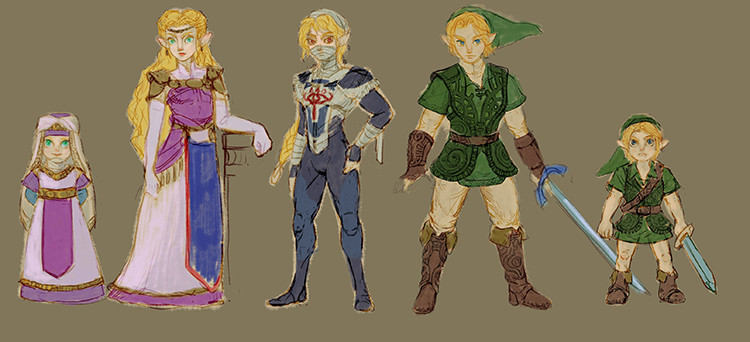
The visuals did change. Shida says the art team worked from keywords such as “a puppet-show feel” and “the analog feel of practical effects films”, aiming for a Hyrule that felt real without simply looking realistic.
The interview also goes back to 1998. Aonuma recalls asking Koji Kondo to rewrite the final boss music, which came back bright and upbeat the first time. “The very next day, he came back with the battle theme players know today.”
It is two days out from launch — and “zelda” was among the searches in Google Trends Australia’s daily feed early this morning. Our write-up of Nintendo’s trailer from last week is the place to start if you have not seen the new look yet.
Source: Nintendo – Ask the Developer Vol. 24: The Legend of Zelda: Ocarina of Time, Part 1, Nintendo – Ask the Developer Vol. 24: The Legend of Zelda: Ocarina of Time, Part 2