
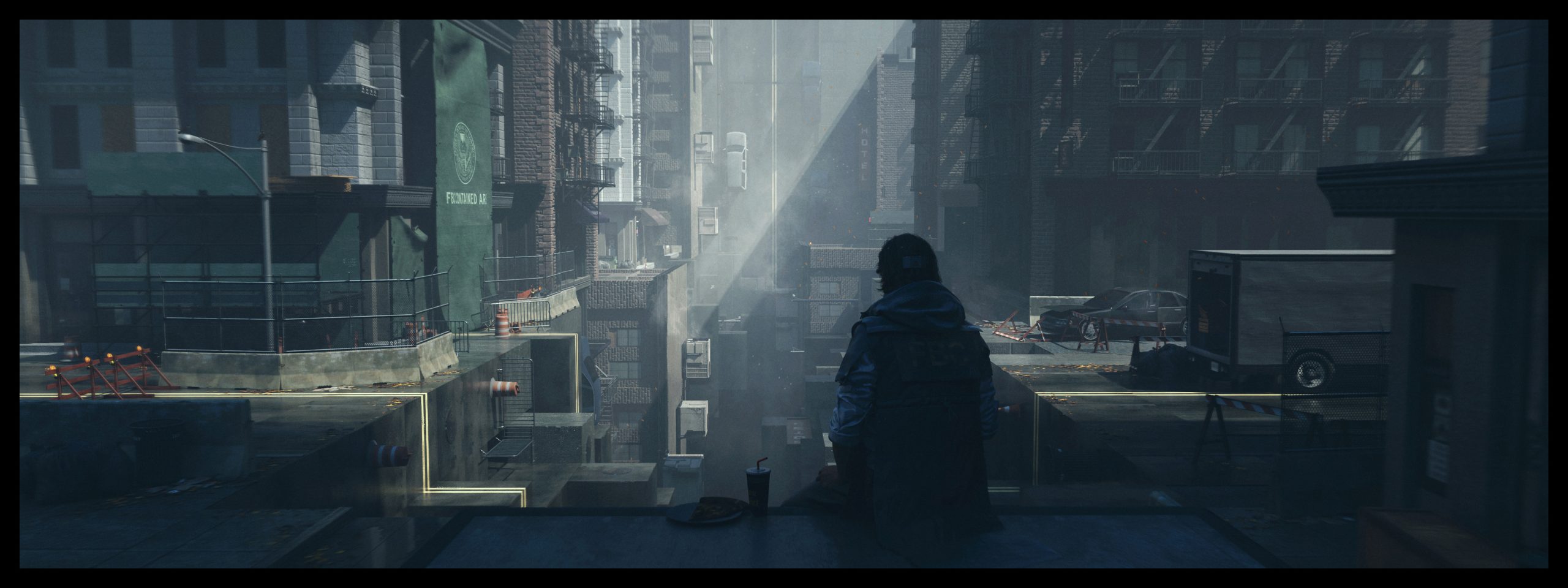
Hero image: Control Resonant concept art. Image: Remedy Entertainment
Control Resonant moves Remedy’s paranatural series into a warped Manhattan — and three of the studio’s leads have now explained how that city, and the monsters in it, were put together.
The explanation comes from an interview on the PlayStation Blog, published on 29 September, with Lead Level Designer Anne-Marie Grönroos, Art Director Elmeri Raitanen and Lead Gameplay Designer Sergey Mohov.
It lands a week after launch, and after Remedy’s first fixes, which we covered in our launch hotfix explainer.
A hero who stumbles
The first thing the team designed around was Dylan himself. Raitanen said “There is a deliberate groundedness in how Dylan moves and fights”, adding: “We wanted to show that everything has a cost.”
Mohov put it more bluntly: “Dylan’s animations demonstrate that everything he does is difficult. It takes effort to use the Elevate ability, and shifting gravity is disorienting to him.”
That clumsiness is tied to the game’s themes, according to Mohov — someone “really powerful, but at the same time yearning for human connection”.
‘Strange York’
The bigger design problem was scale. Control was built around confined, Brutalist-inspired spaces, and Resonant had to open that up without losing the destruction that made its combat work.
Raitanen said slamming the ground or firing a shockwave now kicks leaves up from the street, sets fire hydrants spraying and makes trashcans “spew litter”.
Grönroos explained why the most ordinary district, The Central, sits in the middle of the map: it “creates a baseline of the normal New York”, so the paranatural areas stand out against it.
The city also isn’t meant to be accurate. Mohov noted that the real New York’s last phone booth was removed around 2022, but they still stand in Remedy’s version — “It is what we call ‘Strange York’, an iconic movie-like retro version.”
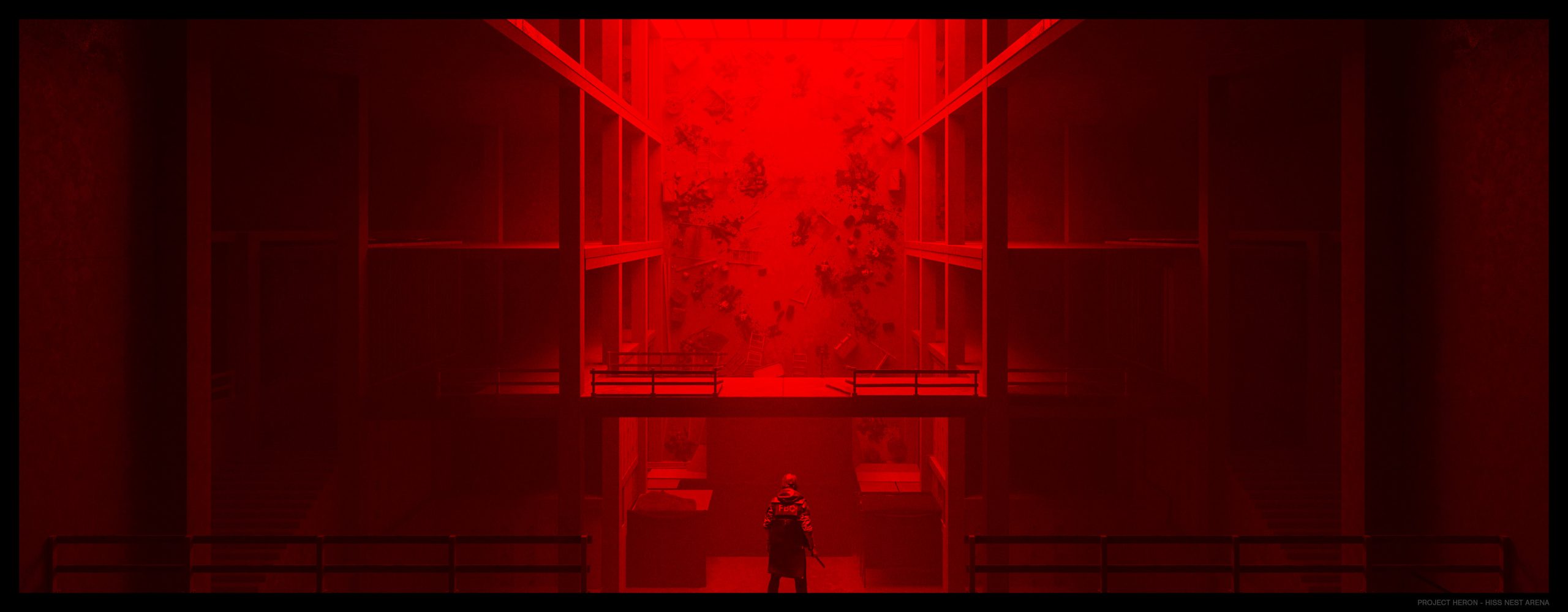
The Gap and the Sinkhole
Two spaces get particular attention. The Gap, a grey, otherworldly space representing Dylan’s psyche, drew on film, with Mohov citing The Truman Show. Its concrete, he said, reflects the building where Dylan was “locked up and experimented on”.
The Sinkhole mission began as a prototype for travelling under the city. Grönroos said one rule changed everything: “everything that looks like a walkable surface should be a walkable surface”.
The Resonants
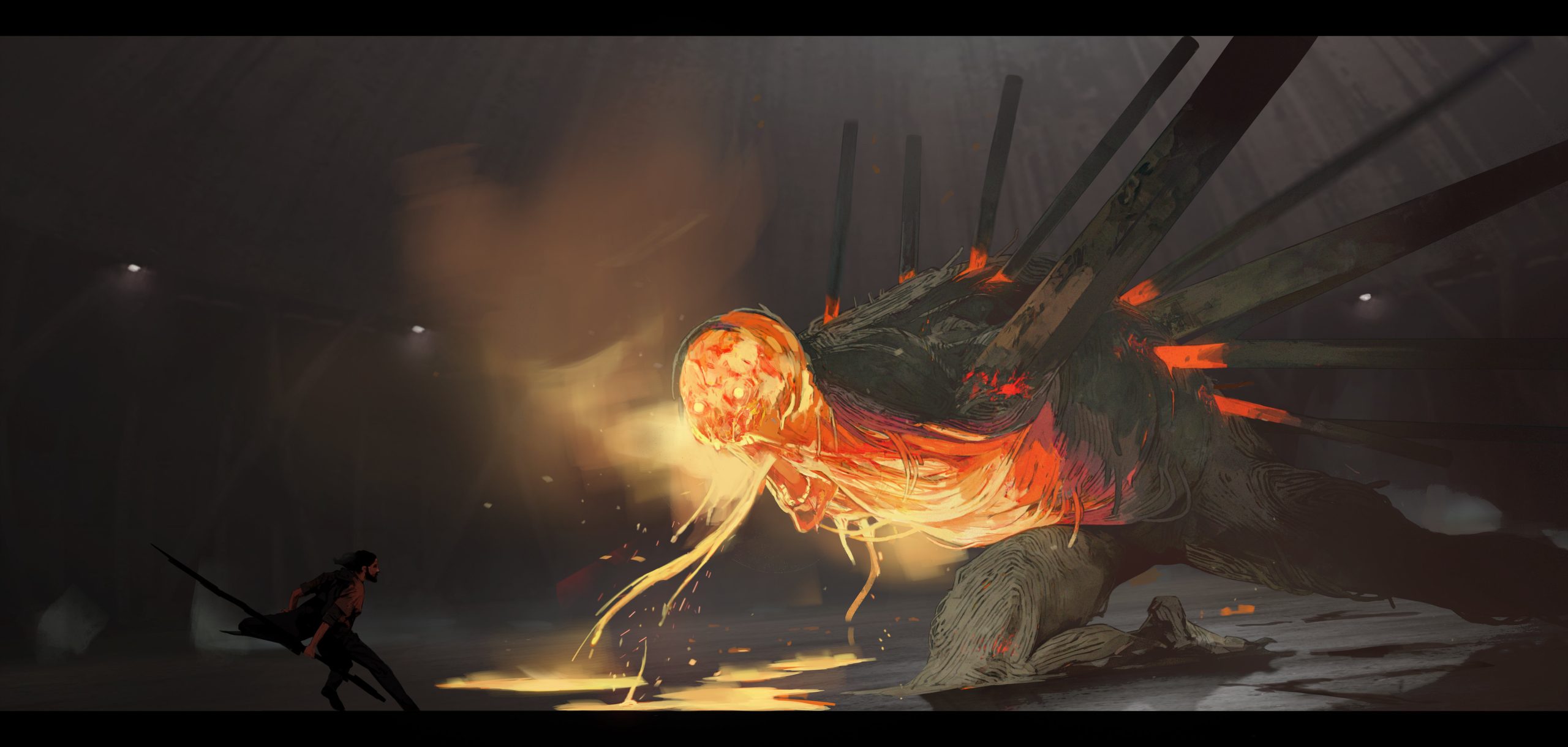
Boss fights were meant to be skill checks, and the ideas came from the whole studio. “We asked the full team to send their ideas for bosses to us,” Mohov said. The team then prototyped each one before deciding what space it needed.
Raitanen said each Resonant was built on a theme, and that the team referenced “a lot of medieval iconography and church architecture” to make them feel majestic.
Why the hardware mattered
Mohov described the game as “definitely Remedy’s biggest game”, saying one zone is larger than any zone in the studio’s previous games. On PS5, the DualSense speaker plays radio calls, and the adaptive triggers give resistance on specific abilities — which, he said, lets players “feel your way through” combat instead of watching the interface.
It’s a rare look at the thinking behind a game still in its first weeks — and it frames Dylan’s clumsiness, the city’s liberties with New York and the bigger zones as choices Remedy made on purpose. Our launch coverage has the Australian price and release details.
Source: PlayStation Blog – How Control Resonant’s art design and tech shaped its bosses, paranaturally-twisted Manhattan and more, Gamers Classified – Control Resonant’s Launch Hotfix, Explained